
Long Trap by the Numbers
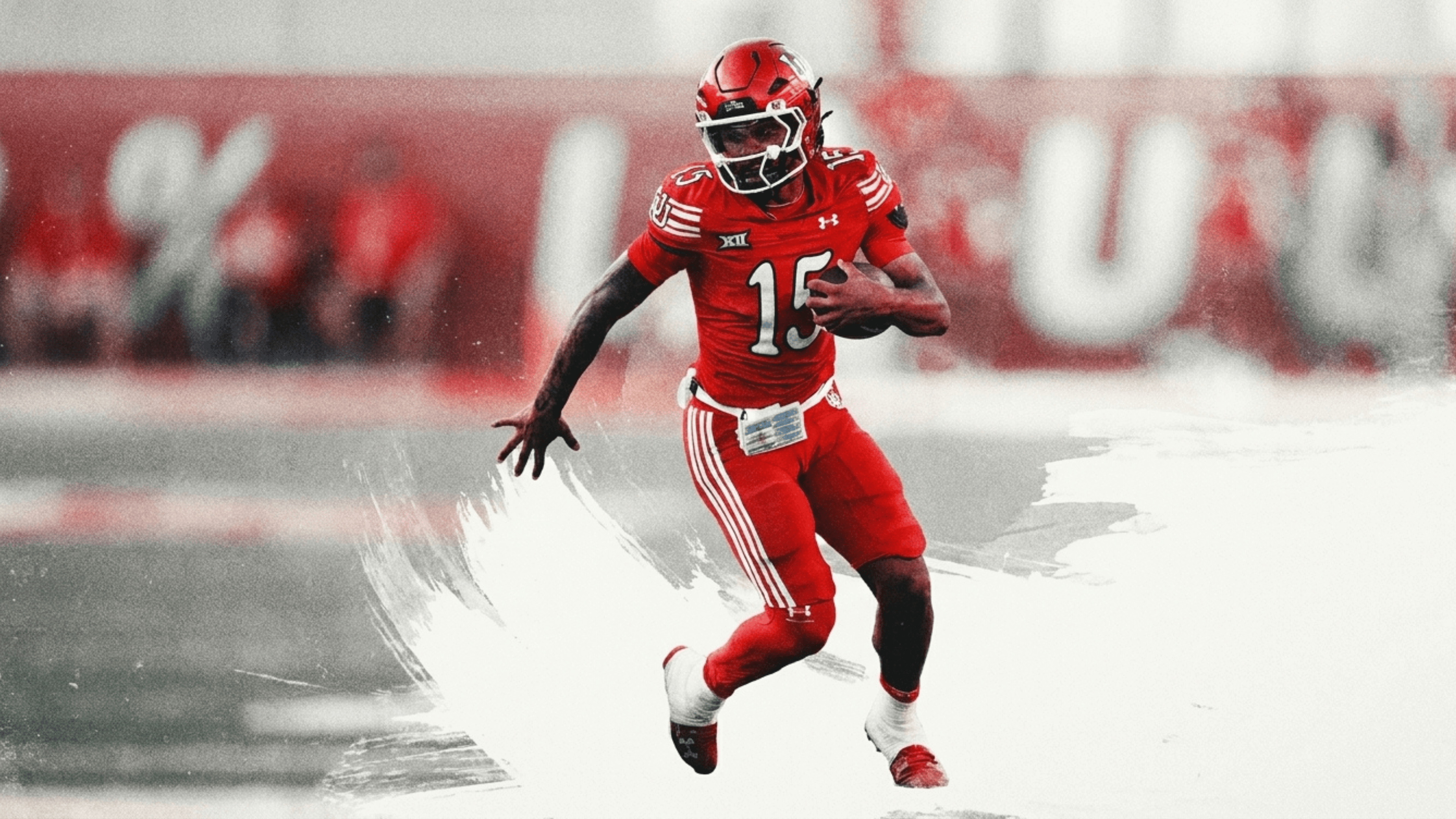
Utah had the #1 FBS rushing offense in 2025, and QB/Wildcat Long Trap was their top run, averaging 11.1 yards per carry. They ran it 57 times with a 70% success rate.
We analyzed all 57 runs and found 6 reasons why Long Trap is so successful.
The Motion Away
The Frontside Blocks
The Ball Carrier’s Path
The Kick Out
The Wash
The +1 Effect
1. The Motion Away
94.9% of Utah’s QB/Wildcat Long Traps contained a motion away. This motion away is pivotal because it keeps backside defenders honest for the Sweep away or Play-Action pass, but more importantly, gets box defenders to bump slightly in order to create better paths for blocks.
2. The Frontside Blocks
Every single play of QB/Wildcat Long Trap consisted of Jason Beck’s “Rhino” personnel. This means there are 5 blockers frontside: the Center, Guard, Tackle, Extra Offensive Lineman, and Tight End. With Long Trap being a gap scheme, you get solid down blocks and double teams front side in order for the backside Guard to kick out the end man on the line of scrimmage.
3. The Ball Carrier’s Path
Backup Quarterback, Byrd Ficklin, had the most success with QB Long Trap. He ran it 17 times for 254 yards (14.94 YPC) and 8 touchdowns. His path on the run helps the hole open up between the down blocks and kick out block. Many times, second and third level defenders would over pursue because of Ficklin’s path.
4. The Kick Out
Because Utah ran this concept with heavy personnel and with a motion away, the edge defender was usually an Outside Linebacker, Safety, or Cornerback. In the clip below, Utah is able to get a 315 lbs. Guard to kick out a 215 lbs Outside Linebacker.
5. The Wash
If you combine the frontside down blocks, kick out by the backside Guard, and the path by the ball carrier, you get a lot of bodies clumped together in the box. This usually creates a wall to keep Inside Linebackers, Cornerbacks, or Safeties from making a play.
6. The +1 Effect
With Utah running this out of Wildcat or with a Quarterback, they get +1 in the run game. Every defender is accounted for in the blocking scheme, and even if it is Cover 0, Jason Beck feels good about his athletes being one-on-one with a third level defender.
The Verdict
Put your 6th Offensive Lineman and Tight End on the line, motion away a Wide Receiver, and run Long Trap with your Quarterback or Running Back. If you need some teach tape and cutups, check out the Jason Beck System by clicking here!
Jason Beck is now the offensive coordinator for the Michigan Wolverines, who open the season on September 5th against Western Michigan. It will be interesting to see how Beck uses this scheme with Quarterback Bryce Underwood and the pieces around him.